The success of any fitness facility depends heavily on the quality, functionality, and reliability of its equipment. Whether you are opening a new gym, expanding an existing fitness center, or upgrading outdated machines, selecting the right commercial gym equipment is one of the most important investments you can make. The right equipment enhances member satisfaction, improves workout experiences, and contributes to the long-term success of your business.
This guide explores the key factors to consider when choosing commercial gym equipment and how to build a well-balanced fitness facility that meets the needs of your members.
Understand Your Target Audience
Before purchasing any equipment, it is essential to identify who will be using your facility. Different groups have different fitness goals and training preferences.
For example:
- General fitness members often prefer a mix of cardio and strength equipment.
- Athletes may require advanced strength training and functional fitness equipment.
- Rehabilitation clients need low-impact machines and recovery-focused equipment.
- Corporate fitness centers often focus on accessibility and ease of use.
- Boutique fitness studios may prioritize functional training and group exercise equipment.
Understanding your target audience helps ensure that your equipment selection aligns with member expectations and usage patterns.
Prioritize High-Quality Cardio Equipment
Cardio machines are among the most frequently used pieces of equipment in any gym. Investing in durable, commercial-grade cardio equipment can improve member retention and reduce maintenance costs.
Popular cardio equipment includes:
Treadmills
Treadmills remain one of the most sought-after machines in fitness facilities. Look for models with powerful motors, shock absorption systems, and user-friendly consoles.
Exercise Bikes
Exercise bikes are ideal for users of all fitness levels and offer low-impact cardiovascular training.
Rowers
Rowing machines provide full-body workouts that combine strength and cardiovascular benefits.
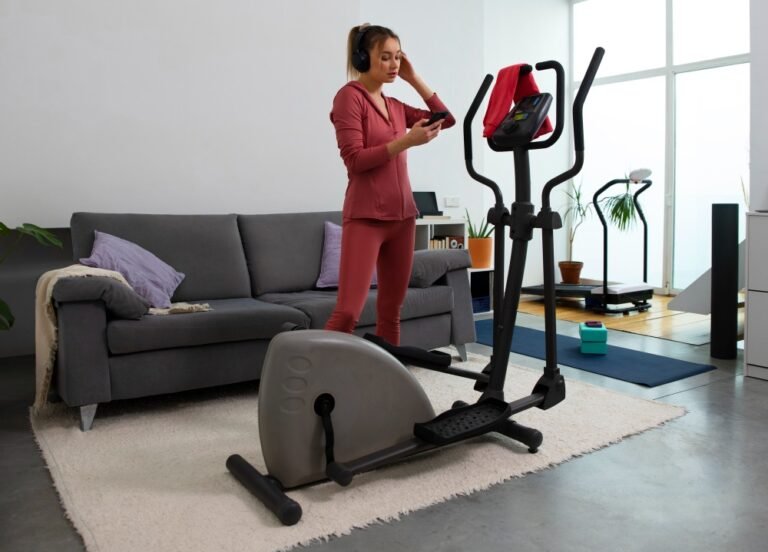
Ellipticals
Ellipticals offer smooth, low-impact movement, making them popular among beginners and rehabilitation clients.
A balanced cardio section helps accommodate users with varying fitness goals and preferences.
Build a Comprehensive Strength Training Area
Strength training continues to grow in popularity, making it essential to provide equipment that supports a wide range of workouts.
Multi Gyms
Multi gyms allow users to perform multiple exercises on a single machine, making them ideal for facilities with limited space.
Smith Machines
Smith machines provide guided movement patterns that can improve safety and confidence for many users.
Benches
Adjustable benches support numerous exercises and are fundamental to any strength training area.
Cable Machines
Cable systems offer versatility and can accommodate users of all fitness levels.
Racks and Rig Systems
Power racks and rig systems are essential for advanced strength training, functional fitness, and group workouts.
By offering a variety of strength equipment, gyms can cater to beginners, experienced lifters, and professional athletes alike.
Include Free Weights for Maximum Versatility
Free weights remain a cornerstone of effective strength training programs. They provide flexibility, support functional movement, and help develop overall strength.
Essential free-weight equipment includes:
- Dumbbells
- Olympic Bars
- Weight Plates
- Kettlebells
- Weight Storage Systems
Investing in high-quality free weights ensures durability and enhances the training experience for members.
Incorporate Functional Training Equipment
Functional fitness has become one of the fastest-growing segments of the fitness industry. Functional training equipment supports movement patterns that improve strength, balance, coordination, and athletic performance.
Popular functional training equipment includes:
- Battle Ropes
- Suspension Trainers
- Plyometric Boxes
- Medicine Balls
- Resistance Bands
- Sleds
- Functional Training Stations
Creating a dedicated functional training area can help attract a broader range of members and trainers.
Consider Space and Facility Layout
The most effective gym layouts maximize both functionality and member comfort. Before purchasing equipment, carefully evaluate your available space.
Factors to consider include:
- Equipment dimensions
- User traffic flow
- Safety clearances
- Accessibility requirements
- Emergency exits
- Future expansion opportunities
Proper planning ensures that members can move comfortably throughout the facility while maintaining a safe workout environment.
Focus on Durability and Reliability
Commercial gym equipment experiences significantly more use than residential equipment. Choosing durable, commercial-grade products helps reduce downtime and maintenance expenses.
Look for equipment with:
- Heavy-duty steel construction
- High-quality upholstery
- Commercial-grade bearings and components
- Strong warranties
- Proven reliability records
Investing in quality equipment often results in lower ownership costs over the long term.
Don’t Overlook Recovery and Rehabilitation Equipment
Modern fitness facilities increasingly incorporate recovery and rehabilitation solutions to support overall wellness.
Examples include:
- Stretching stations
- Mobility equipment
- Recovery tools
- Rehabilitation machines
- Balance and stability training equipment
These additions can help members improve recovery, reduce injury risk, and enhance overall performance.
Invest in Gym Flooring and Storage Solutions
Proper flooring and storage are critical components of any commercial gym.
Gym Flooring
Quality flooring protects equipment, reduces noise, improves safety, and enhances the overall appearance of the facility.
Storage Solutions
Organized storage systems help maintain a clean and professional environment while improving member safety.
Popular storage options include:
- Dumbbell racks
- Plate trees
- Accessory storage stations
- Multi-purpose shelving systems
Evaluate Installation and Maintenance Services
Purchasing equipment is only one part of creating a successful fitness facility. Professional installation and ongoing maintenance play an important role in maximizing equipment lifespan.
Choose a supplier that offers:
- Professional installation
- Preventive maintenance programs
- Equipment servicing
- Spare parts availability
- Technical support
Reliable support services help keep equipment operating efficiently and minimize disruptions for members.
Choose a Trusted Equipment Supplier
Working with an experienced commercial fitness equipment provider can simplify the entire process. A reputable supplier can assist with equipment selection, facility planning, installation, maintenance, and future upgrades.
Look for a supplier that offers:
- A comprehensive product range
- Industry expertise
- Competitive pricing
- Quality customer support
- Reliable after-sales service
Building a long-term relationship with a trusted supplier can provide ongoing value as your fitness business grows.
Conclusion
Choosing the right commercial gym equipment requires careful planning, a clear understanding of your target audience, and a commitment to quality. From cardio machines and strength equipment to functional training systems and recovery solutions, every piece of equipment contributes to the overall member experience.
By investing in durable, high-performance equipment and partnering with a reliable fitness equipment provider, gym owners can create a facility that attracts members, supports diverse training goals, and delivers long-term business success. A well-equipped gym not only enhances fitness outcomes but also establishes a strong reputation in an increasingly competitive fitness industry.