Investing in quality fitness equipment is only the first step toward creating a successful gym or fitness facility. To maximize performance, ensure user safety, and protect your investment, regular maintenance and professional servicing are essential. Whether you operate a commercial fitness center, a corporate wellness facility, a rehabilitation clinic, or a home gym, proper equipment care can significantly extend the lifespan of your machines while reducing costly repairs and downtime.
This comprehensive guide explains why gym equipment maintenance matters, the key servicing practices to follow, and how to develop an effective maintenance program that keeps your fitness equipment operating at its best.
Why Gym Equipment Maintenance Is Important
Fitness equipment experiences constant use and repetitive stress. Without proper care, even high-quality machines can develop mechanical issues, performance problems, and safety hazards.
Regular maintenance offers several benefits:
- Extends equipment lifespan
- Improves user safety
- Reduces unexpected breakdowns
- Minimizes repair costs
- Maintains optimal performance
- Enhances member satisfaction
- Protects warranty coverage
- Improves facility appearance
A proactive maintenance strategy is far more cost-effective than waiting for equipment to fail.
Common Causes of Equipment Wear and Damage
Gym equipment naturally deteriorates over time due to daily usage. Understanding common causes of wear can help prevent major issues.
These include:
- High user traffic
- Dust and debris accumulation
- Lack of lubrication
- Loose bolts and fasteners
- Excessive moisture or humidity
- Improper equipment use
- Neglected cleaning routines
- Aging electrical components
Regular inspections can identify these issues before they become serious problems.
Daily Maintenance Tasks
Daily maintenance is the foundation of an effective equipment care program.
Clean Equipment Surfaces
Fitness equipment should be wiped down and disinfected regularly to remove sweat, dirt, and bacteria.
Focus on:
- Hand grips
- Seats and pads
- Consoles and touchscreens
- Handles and adjustment points
Regular cleaning not only improves hygiene but also helps preserve equipment materials.
Visual Equipment Inspection
Staff should perform quick visual inspections each day.
Check for:
- Loose bolts
- Damaged cables
- Worn upholstery
- Frayed straps
- Cracked components
- Unusual machine movement
Early detection often prevents expensive repairs.
Verify Equipment Operation
Machines should be briefly tested to ensure they function correctly.
Listen for:
- Unusual noises
- Grinding sounds
- Excessive vibration
- Resistance inconsistencies
Any abnormalities should be reported immediately.
Weekly Maintenance Procedures
Weekly maintenance involves more detailed inspections and adjustments.
Tighten Hardware
Regular use can loosen nuts, bolts, and fasteners.
Inspect and tighten:
- Bench hardware
- Rack systems
- Machine frames
- Weight stacks
- Adjustable components
Secure equipment improves both safety and performance.
Inspect Weight Training Equipment
Strength equipment should be checked for signs of wear.
Examine:
- Cable systems
- Pulleys
- Weight stack guides
- Pins and selectors
- Resistance mechanisms
Damaged components should be replaced promptly.
Check Moving Parts
Moving parts experience significant stress during operation.
Inspect:
- Bearings
- Rollers
- Hinges
- Pivots
- Guide rods
Proper function reduces strain on the machine and enhances user experience.
Monthly Maintenance Requirements
Monthly maintenance helps ensure equipment remains in peak condition.
Lubricate Moving Components
Many machines require lubrication to reduce friction and wear.
Common lubrication points include:
- Guide rods
- Bearings
- Pivot joints
- Cable systems
- Treadmill decks
Always use manufacturer-approved lubricants for best results.
Inspect Electrical Systems
Cardio machines rely heavily on electronic components.
Check:
- Power cords
- Displays
- Control panels
- Emergency stop systems
- Internal wiring
Electrical issues should be addressed by qualified technicians.
Evaluate Equipment Stability
Equipment should remain level and secure during operation.
Inspect for:
- Frame movement
- Uneven positioning
- Floor contact issues
- Structural wear
Stable equipment improves safety and reduces stress on components.
Cardio Equipment Maintenance
Cardio machines often experience the highest usage levels in commercial gyms and require special attention.
Treadmills
Treadmills should receive frequent maintenance due to their complex moving systems.
Maintenance tasks include:
- Cleaning treadmill belts
- Inspecting deck surfaces
- Lubricating belts as recommended
- Checking motor performance
- Tightening belt alignment
Regular treadmill servicing helps prevent costly motor and belt replacements.
Exercise Bikes
Exercise bikes should be inspected for:
- Pedal security
- Resistance functionality
- Seat adjustment mechanisms
- Drive system performance
Routine care ensures smooth operation and user comfort.
Rowers
Rowing machines require attention to:
- Rail cleanliness
- Chain or strap condition
- Resistance systems
- Seat movement
Keeping rowing components clean helps maintain consistent performance.
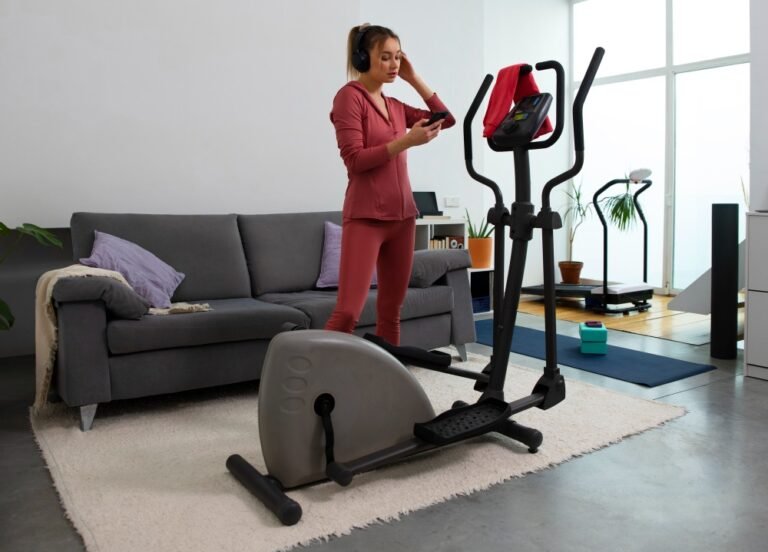
Ellipticals
Ellipticals contain multiple moving parts that should be monitored regularly.
Check:
- Bearings
- Pedals
- Drive systems
- Resistance controls
- Handlebars
Proper servicing helps prevent premature wear.
Strength Equipment Maintenance
Strength equipment must be maintained to ensure user safety.
Cable Machines
Inspect cables regularly for:
- Fraying
- Stretching
- Kinks
- Wear at connection points
Damaged cables should be replaced immediately.
Smith Machines
Check:
- Guide rods
- Locking mechanisms
- Safety catches
- Counterbalance systems
Smooth operation is critical for safe lifting.
Benches
Inspect benches for:
- Frame integrity
- Padding condition
- Adjustment mechanisms
- Fastener security
A stable bench improves workout safety and comfort.
Racks and Rig Systems
Power racks and rig systems should undergo frequent structural inspections.
Look for:
- Frame damage
- Loose bolts
- Weld integrity
- Safety attachment condition
These systems often support heavy loads and must remain structurally sound.
Free Weight Maintenance
Free weights are generally low maintenance but still require regular inspection.
Dumbbells
Check for:
- Loose heads
- Cracked coatings
- Damaged handles
Weight Plates
Inspect plates for:
- Cracks
- Excessive wear
- Identification markings
Olympic Bars
Evaluate bars for:
- Shaft straightness
- Sleeve rotation
- Corrosion
- Grip wear
Maintaining free weights helps ensure a professional and safe training environment.
Importance of Professional Servicing
While routine maintenance can be handled internally, professional servicing provides a deeper level of inspection and care.
Professional technicians can:
- Diagnose hidden issues
- Perform detailed repairs
- Replace worn components
- Calibrate equipment
- Verify safety standards
- Update software systems
Scheduled servicing reduces the likelihood of major equipment failures.
Create a Preventive Maintenance Schedule
One of the most effective ways to manage equipment care is through a structured preventive maintenance program.
A maintenance schedule should include:
Daily
- Cleaning
- Visual inspections
- Operational checks
Weekly
- Hardware tightening
- Cable inspections
- Component testing
Monthly
- Lubrication
- Electrical inspections
- Stability checks
Quarterly
- Professional servicing
- Performance evaluations
- Detailed safety inspections
Annually
- Major servicing
- Component replacement reviews
- Equipment lifecycle assessments
Consistency is the key to long-term equipment reliability.
Spare Parts and Replacement Components
Even with excellent maintenance, certain parts eventually wear out.
Common replacement items include:
- Cables
- Belts
- Bearings
- Pulleys
- Upholstery
- Electronic components
- Resistance mechanisms
Using genuine replacement parts helps maintain performance and manufacturer standards.
Signs Your Equipment Needs Immediate Attention
Do not ignore warning signs that indicate equipment problems.
Common indicators include:
- Strange noises
- Jerky movement
- Resistance inconsistencies
- Electrical malfunctions
- Visible damage
- Excessive vibration
- Loose components
Addressing issues early helps prevent larger failures and potential safety risks.
Conclusion
Proper gym equipment maintenance and servicing are essential for ensuring safety, reliability, and long-term performance. Whether managing a large commercial fitness facility or a personal home gym, regular inspections, cleaning, lubrication, and professional servicing can significantly extend equipment lifespan while reducing repair costs.
By implementing a preventive maintenance program and addressing issues promptly, gym owners can protect their investment, enhance member satisfaction, and create a safe, professional training environment. Well-maintained fitness equipment not only performs better but also contributes to the overall success and reputation of any fitness facility.